
The right Aeron is not only the right chair - it is the right size. Herman Miller makes the Aeron in three size ranges because body proportions change the way the seat, back and arm geometry support you. Size A, B and C overlap, so the question is not simply “How tall are you?” It is “Where do your height and weight place you, and how does the chair feel when you sit in it?”
This guide explains how to choose between Aeron Size A, B and C, what the overlap zones mean, what measurements matter beyond height, and when it is worth testing the chair in person. For buyers in Kazakhstan, it also covers the planning point that matters after you choose a size: chairs that are not already in stock in Almaty are planned at about 70 days from Europe, so the fitting and ordering decision should happen before the move-in date is locked.
The short answer
Size A: the smaller fit. Size B: the broadest overlap and the model Herman Miller recommends for many people who fall near the A/B or B/C boundary. Size C: the larger fit. Height and weight should be considered together, and a real sitting test beats a spreadsheet when the numbers sit on a boundary.
Book an Aeron fitting at the Almaty showroom
Aeron A vs B vs C: what actually changes?
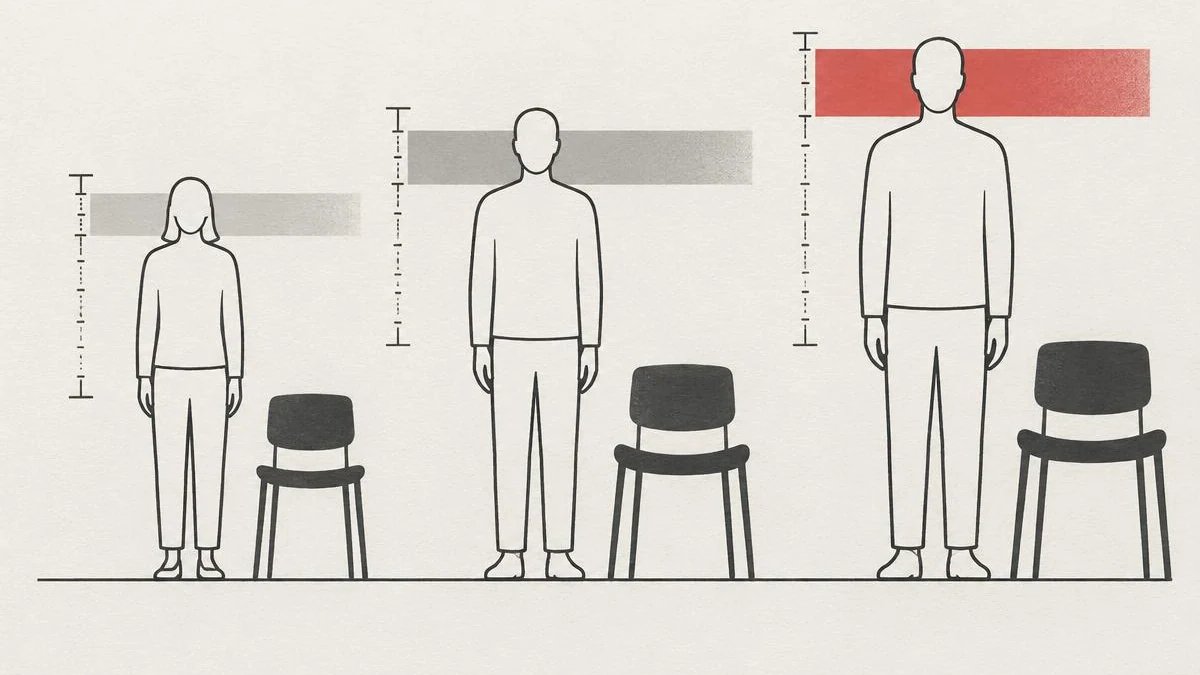
Aeron sizing is not three cosmetic versions of the same chair. The size affects the seat dimensions and the range within which the chair can fit your body. Herman Miller’s current size-fit reference uses height and weight as the primary indicators, and its guidance specifically points people in the A/B or B/C overlap zones toward Size B when an in-person test is not available.
|
Aeron size |
Strategy height guide* |
Published weight limit |
Practical interpretation |
|
Size A |
About 142-163 cm |
Up to 300 lb / 136 kg |
Smaller overall fit; pay close attention to seat depth and leg position. |
|
Size B |
About 158-183 cm |
Up to 350 lb / 159 kg |
Broadest fit range; the overlap option for many people near A/B or B/C boundaries. |
|
Size C |
About 178-200 cm |
Up to 400 lb / 181 kg |
Larger overall fit; typically the starting point for taller/larger users. |
*The height ranges above follow the September 2026 Office Design strategy reference. Herman Miller’s current size-fit document is the final authority at the point of order because fit guidance is based on height and weight together, and model/configuration details can change.
Why height alone is not enough
Two people can have the same height and still need different chair settings. Leg length, torso length, body weight and preferred desk posture all influence how a chair feels. That is why Herman Miller’s reference uses height and weight together rather than treating height as a single pass/fail rule.
- Height: start with your standing height, then check the official size-fit reference.
- Weight: use it with height rather than as a separate afterthought; it helps locate the appropriate fit band.
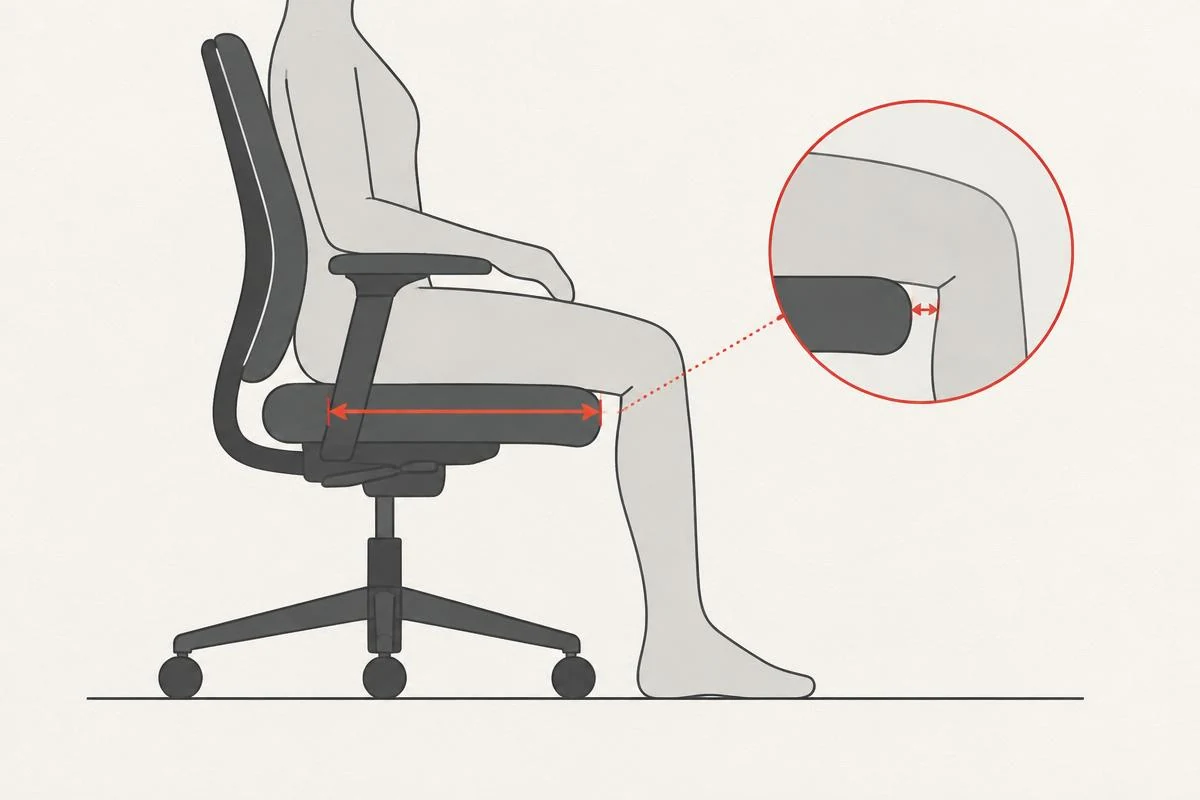
- Thigh clearance: when seated, the seat should support you without creating an obvious pressure point behind the knees.
- Seat depth: the wrong size can leave you with too much seat in front of the knees or too little support under the thighs.
- Arm and desk relationship: make sure your forearms can reach the work surface without forcing the shoulders upward or the elbows to float away from the body.
When Size A makes sense
Size A is the smaller of the three Aeron sizes. The important point is not that it is “for short people”; it is that the chair is engineered around a smaller overall fit. If your height and weight place you clearly in the A zone, Size A can give you a more appropriate seat and back relationship than trying to force a larger chair to fit.
This matters especially when the chair is for a smaller member of a team. A one-size-for-everyone procurement approach can look efficient on a spreadsheet but create an avoidable fit problem in practice.
When Size B is the logical starting point
Size B is the broad middle of the Aeron range. Herman Miller explicitly describes B as the size designed to fit a broad range of people and recommends it for many users who fall into the A/B or B/C boundary categories.
For a company specifying chairs for a mixed team, B is often the first size worth testing - but that does not mean B should automatically be ordered for everyone. Once a team includes people clearly outside the B range, the right answer is usually a planned mix of sizes rather than a forced standard.
When Size C makes sense
Size C is the largest Aeron fit. Taller or larger users should start by checking the C range and the official size-fit chart, then confirm the feel in person. A larger chair is not “better” simply because it is larger; it should match the sitter.
The boundary problem: A/B and B/C
The most common sizing mistake is treating the boundary as a precise mathematical answer. Herman Miller’s guidance exists because the sizes overlap. If you sit in an A/B or B/C region, use the overlap as a prompt to test the chair rather than as a reason to guess.
|
A simple rule for edge cases If your height and weight put you close to a size boundary, test the two relevant sizes. Compare thigh support, knee clearance, back contact and arm position while working at the desk height you actually use. |
What changes between Aeron sizes in a real office
For a single buyer, choosing a size is a personal fit decision. For an office manager or facilities lead, it becomes a specification problem. The team may need a size matrix before the furniture order is released.
- Mixed teams: do not assume one chair size will fit every workstation.
- Shared desks: record the size and adjustment settings clearly so users can reset the chair quickly.
- Procurement: include size by workstation or by user profile in the bill of quantities.
- Leadership spaces: test the chair in the actual desk setup, especially where desk height or monitor positioning is fixed.
Should you choose the size before choosing the configuration?
Start with size. Then choose the support and adjustment package that fits how you work. Herman Miller lists multiple Aeron configurations, so the final specification should be treated as a combination of size + support + arms + finish + quantity, not simply “Aeron chair.”
For a team order, keep the product code or final configuration documented against each workstation. That makes warranty, reordering and replacement easier later.
Check the current Herman Miller Aeron configurations at Office Design
How to test an Aeron before you order
Herman Miller recommends trying chairs when possible, and Office Design has a local showroom for the same reason: the last few millimetres of fit are easier to judge sitting down than from a specification sheet.
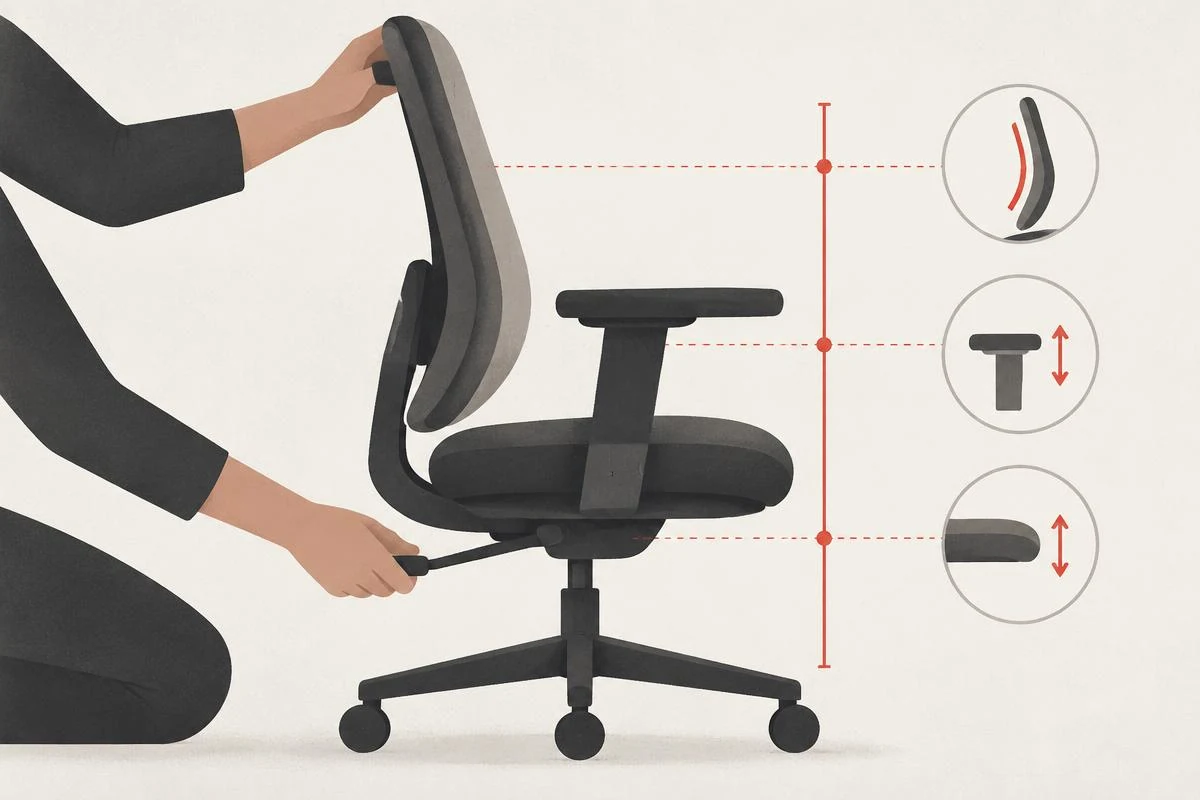
- Sit with your back against the backrest rather than perching on the front edge.
- Adjust the seat height so your feet are stable on the floor.
- Check that the seat supports your thighs without a sharp pressure point behind the knees.
- Set the arms to your normal keyboard or mouse position and relax the shoulders.
- Work in the chair for long enough to notice whether the fit still feels natural after you stop thinking about the chair.
Buying for an office? Build the size matrix first
For ten, fifty or three hundred chairs, create a simple sizing worksheet before the final quote. List each user or workstation, height, weight band, initial size recommendation, test result and final approved configuration. This turns an ergonomic decision into procurement documentation that your facilities and purchasing teams can actually use.
- Pilot the chair with the shortest and tallest intended users.
- Add a representative middle group rather than testing only one person.
- Record exceptions instead of forcing every employee into one size.
- Keep the final size schedule with the purchase order and project documents.
Delivery to Almaty: plan for about 70 days from Europe
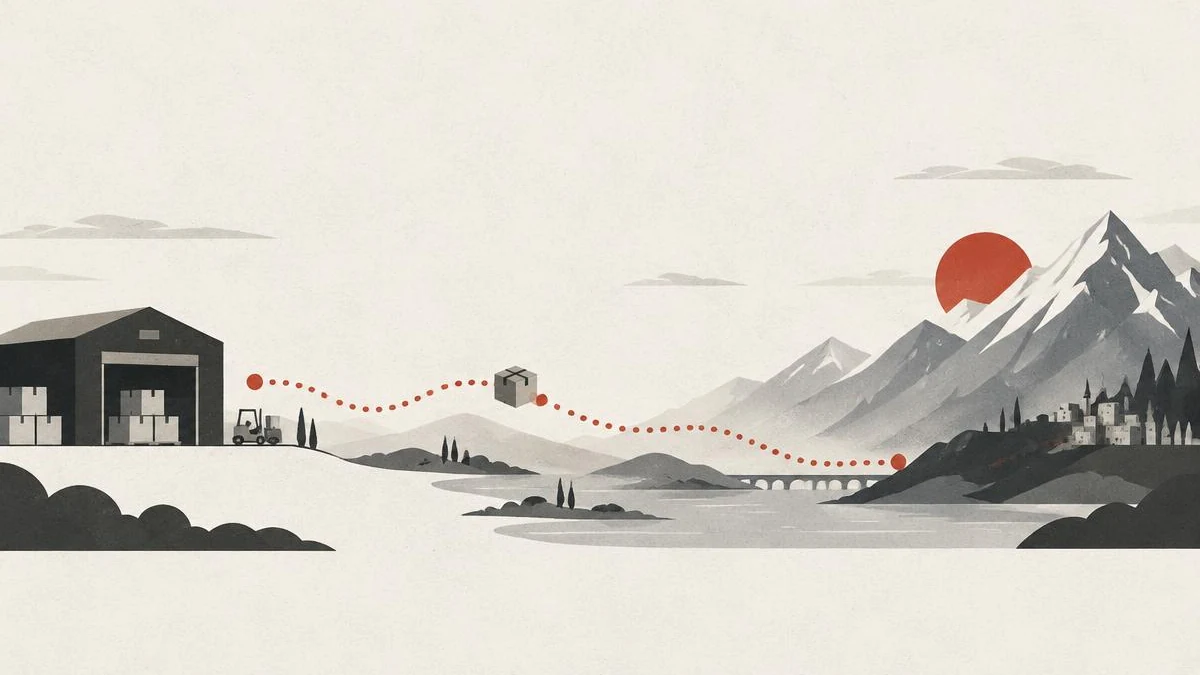
Choosing the right size does not finish the planning process. For chairs that are not already in stock in Almaty, Office Design plans on about 70 days from Europe from order confirmation to delivery. Some configurations may be available sooner, so the sales team should confirm current stock and the expected delivery date in writing before a move-in date is built around the chairs.
For a workplace project, work backwards from the required installation date. The 70-day estimate is a planning assumption, not a live shipping promise, and it should sit alongside your project schedule, installation window and any holiday periods.
Ask Office Design to confirm stock and an order-by date for your project
Frequently asked questions
Use Herman Miller’s current size-fit reference with both height and weight. If you sit near the A/B or B/C boundary, test both sizes; Herman Miller recommends Size B for many boundary cases.
Size B is the broad middle and is designed to fit a broad range, but it should not replace the A and C sizes for people who clearly fall outside the B fit.
No. Height is an important starting point, but Herman Miller’s current reference also uses weight. Body proportions and the actual sitting experience matter too.
Yes. The larger chair has a larger overall fit, including a deeper seat. Check the current product specifications for the exact configuration you are ordering.
Only when testing shows that the chosen size genuinely fits the intended users. Mixed teams are usually better handled with a planned size mix than by forcing everyone into the same chair size.
Office Design has an Almaty showroom where customers can experience Herman Miller chairs in person. Book ahead so the team can prepare the models and configurations you want to compare.
For configurations that are not already in stock in Almaty, plan on about 70 days from Europe from order confirmation to delivery. Confirm current stock and the delivery date in writing before relying on the estimate.